Serving Pennsylvania, New Jersey, and Delaware
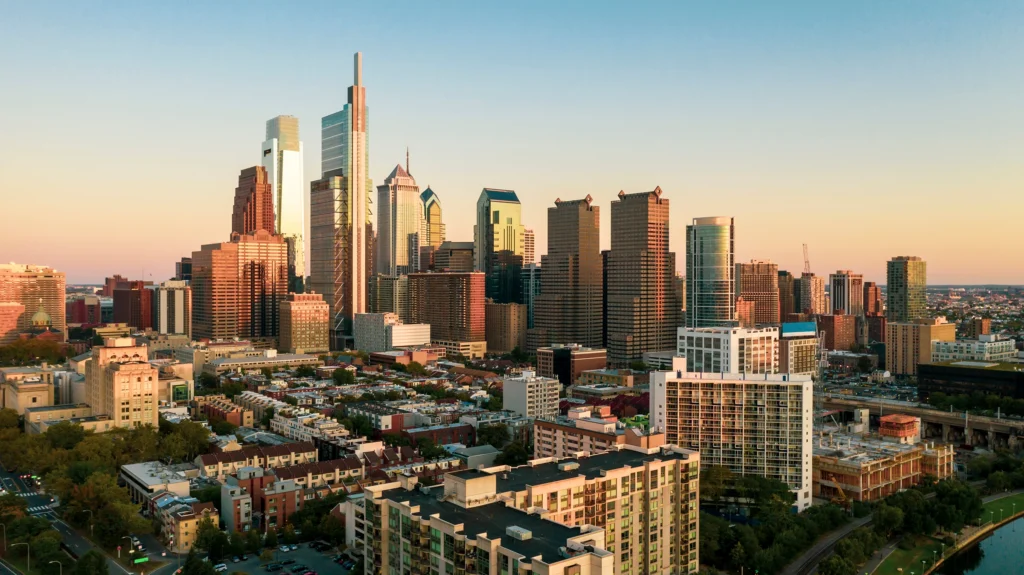
Philadelphia skyline at dusk representing commercial insurance solutions for local businesses and organizations

Your Business Isn’t Generic.
Your Insurance Shouldn’t Be Either.

No two businesses operate exactly the same way.

A neighborhood restaurant faces different risks than a youth sports league. A nonprofit serving its community has different responsibilities than a specialty contractor working at customer properties. Even two businesses in the same industry may have different employees, equipment, locations, services, and day-to-day exposures.

So why would they all be insured the same way?

Commercial insurance works best when it is built around how a business actually operates—not simply its industry, size, or job title.

A Standard Policy May Not Tell the Whole Story

Most businesses recognize the need for foundational coverage such as general liability, commercial property, workers’ compensation, or commercial auto insurance. Those policies may provide an important starting point, but they do not automatically address every risk a business faces.

The right coverage depends on details such as:

  • Where and how you provide your services
  • Whether customers, participants, or volunteers visit your property
  • How you use vehicles or specialized equipment
  • Whether you sell products, prepare food, or host events
  • What types of client, employee, or financial information you maintain
  • Whether your organization works with children or other vulnerable populations
  • How your business would continue operating after a major loss
These are not minor details. They can determine which policies, endorsements, limits, and exclusions matter most.

Different Organizations Face Different Risks

Consider a few common examples.

A restaurant may need to think beyond its building and equipment to consider food spoilage, liquor liability, employee injuries, delivery operations, and the income it could lose if it were temporarily unable to open.

A youth sports league may have exposures involving participant injuries, volunteers, rented facilities, transportation, equipment, special events, and the supervision of minors.

A nonprofit may need coverage for its property and employees as well as professional services, directors and officers, volunteers, fundraising events, cyber incidents, or allegations involving the populations it serves.

A specialty contractor may need protection for tools, vehicles, work performed at customer locations, subcontractors, completed operations, and contractual insurance requirements.

In each case, describing the organization with a broad label only begins the conversation. Understanding what happens inside the business is what allows an insurance professional to identify risks that might otherwise be missed.

Price Matters—but So Does What You’re Buying

It is natural for business owners to compare premiums, especially when operating costs continue to rise. However, a lower premium does not always mean two policies offer equivalent protection.

Differences may be hidden in:

  • Coverage limits
  • Deductibles
  • Policy exclusions
  • Claims-made versus occurrence coverage
  • Additional insured requirements
  • Business income provisions
  • Replacement cost calculations
  • Cybersecurity conditions
  • Protection for volunteers, temporary workers, or subcontractors
  • Industry-specific endorsements

A quote should not be evaluated by its total price alone. It should be reviewed in the context of the coverage provided and the risks your organization is asking the policy to carry.

The goal is not necessarily to purchase every available option. It is to understand where your meaningful exposures exist and make informed decisions about how to address them.

More Specialized Options for Our Commercial Clients

Sablich Insurance Group recently secured an appointment with Philadelphia Insurance Companies, commonly known as PHLY. This appointment expands the commercial insurance options we can explore for the businesses and organizations we serve.

PHLY is a national property and casualty and professional liability insurance carrier with more than 60 years of experience. The company offers insurance and risk-management solutions across more than 120 specialized business markets and reports a 96.7% overall claims satisfaction rating.

Its broad commercial appetite may be especially valuable for organizations such as:

  • Local nonprofits
  • Youth sports leagues
  • Main Street retailers
  • Restaurants
  • Specialty contractors
  • Community-based organizations
  • Businesses with specialized or less conventional risks

PHLY’s recognizable name and local presence are meaningful, but the greatest benefit to our clients is the additional flexibility the appointment provides. It gives our agents another potential avenue for placing businesses whose insurance needs may not fit neatly into a standard package.

Of course, no individual carrier is automatically the right fit for every organization. Eligibility, coverage, and pricing remain subject to the nature of the risk and the carrier’s underwriting requirements. Our role as an independent agency is to consider the available options and help clients understand which solution best aligns with their operations.

Your Coverage Should Change as Your Business Changes

A commercial insurance policy should not be something you purchase once and then forget.

Your exposures may change when you:

  • Hire employees
  • Add vehicles or drivers
  • Purchase equipment
  • Expand into a new location
  • Introduce a new service
  • Begin working with larger clients
  • Sign a new lease or contract
  • Collect more customer information
  • Host events
  • Add volunteers or board members
  • Experience significant revenue growth

If your insurance still reflects what your business looked like several years ago, it may no longer reflect what you do today.

An ongoing relationship with your insurance agent makes it easier to identify those changes before they become gaps. Regular conversations also give you the opportunity to ask questions, evaluate new options, and understand why certain coverage is—or is not—being recommended.

Start With How Your Business Actually Works

Good commercial insurance begins with a conversation.

What does a typical day look like? Who interacts with your business? Where could an accident, interruption, allegation, or financial loss occur? What would make it difficult for you to continue operating?

Those questions provide much more useful information than a business name or industry classification alone.

At Sablich Insurance Group, we take the time to understand how your organization operates before recommending coverage. Our expanded carrier relationships—including our new appointment with PHLY—give us more options to consider while keeping the guidance personal, clear, and centered on your business.

Raise Your Expectations.

If your business has grown, changed, or simply has not had a thorough insurance review recently, now is a good time to make sure your coverage still reflects how you operate.

Contact our team for a commercial insurance review and personalized guidance.

Sablich Insurance Group is licensed in Pennsylvania, New Jersey, and Delaware.
Your Business Isn’t Generic. Your Insurance Shouldn’t Be Either.
Scroll to Top
Skip to content