Your Kid Is Going to College.Here’s What Your Insurance Needs...
Read More
Serving Pennsylvania, New Jersey, and Delaware

You probably have a general idea of what your house could sell for.
Maybe you follow nearby home sales. Maybe you have watched its estimated value climb online. Or maybe you refinanced recently and have an appraisal sitting in a folder somewhere.
But that number is not what determines how much homeowners insurance you need.
Your home’s market value and the cost to rebuild it are two very different things. If your policy has not been reviewed in a while, the amount listed for your dwelling coverage may no longer reflect what it would actually cost to reconstruct your home after a major loss.
That does not necessarily mean someone made a mistake. Construction costs change. Homes change. Building codes change. And your insurance company will not automatically know about every renovation or improvement you make.
Here is what homeowners should understand—and what is worth reviewing before a claim forces the conversation.Market value is what someone may be willing to pay for your property. It is influenced by factors such as:
Replacement cost is an estimate of what it would take to rebuild the physical structure using materials and workmanship of similar kind and quality.
That estimate may account for:
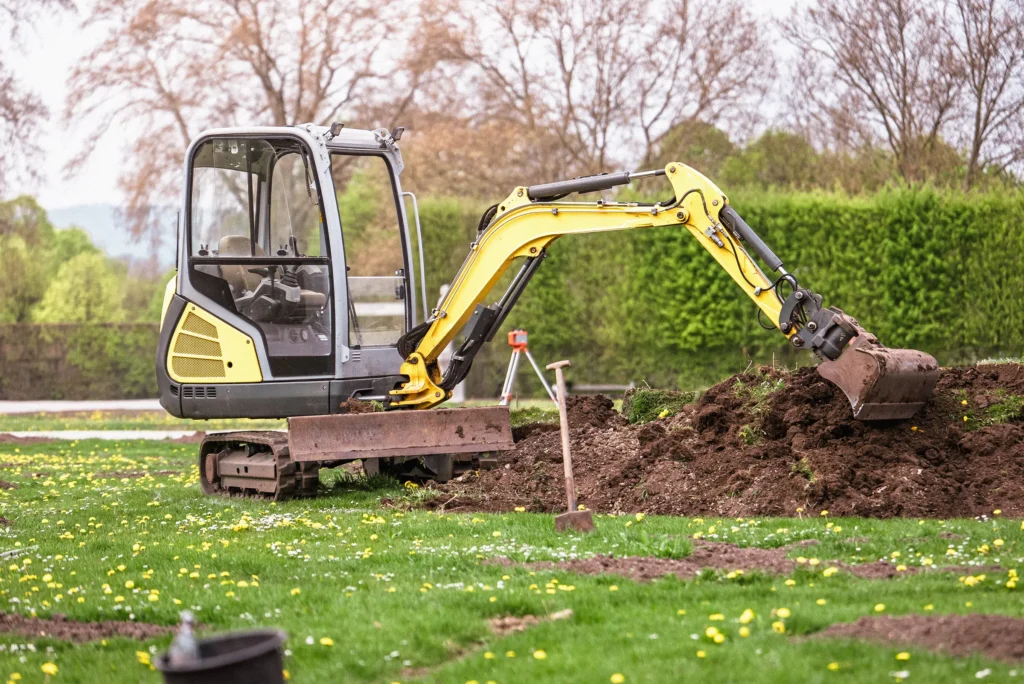
The land under your home does not need to be rebuilt after a fire. On the other hand, rebuilding one house after a major loss can cost more per square foot than constructing several similar homes as part of a new development.
That is why your home could sell for $500,000 but require more—or less—than $500,000 in dwelling coverage. One number does not determine the other.A common reaction is, “I would never spend that much rebuilding. I would just buy another house.”
That may be your personal plan, but it does not change how the home should be insured.
Homeowners coverage is generally structured around repairing or rebuilding the insured property after a covered loss, subject to the policy’s limits, terms, deductibles, and exclusions. The dwelling limit is not simply a budget for purchasing a replacement home somewhere else.
Reconstruction also comes with costs that do not appear in a typical real estate listing. After a major fire, for example, the remaining structure may need to be secured, demolished, and removed before rebuilding can begin. Contractors may be working within an established neighborhood with limited access rather than on an open construction site.
A house that looks comparable on a real estate website does not tell you what reconstructing yours would cost from the ground up.Even if your coverage was carefully calculated when you purchased the home, that estimate can become outdated.
The cost of lumber, roofing, drywall, electrical components, appliances, and other materials changes over time. Skilled labor costs can rise, and shortages following a regional storm or disaster can put additional pressure on both labor and material prices.
Recent insurance-market data also shows that rebuilding costs and rising claim severity continue to affect homeowners insurance conditions across the country. The National Association of Insurance Commissioners identifies rebuilding costs as one of the local factors influencing insurance markets.
Your policy may include an inflation-related adjustment that increases coverage over time, but that does not guarantee the limit will always match the actual cost of rebuilding your specific home. Automated increases are useful. They are not a substitute for periodically reviewing the details used to calculate your coverage.Think about what has changed since your homeowners policy was written.
Have you:
These changes can affect the estimated cost to rebuild your home.
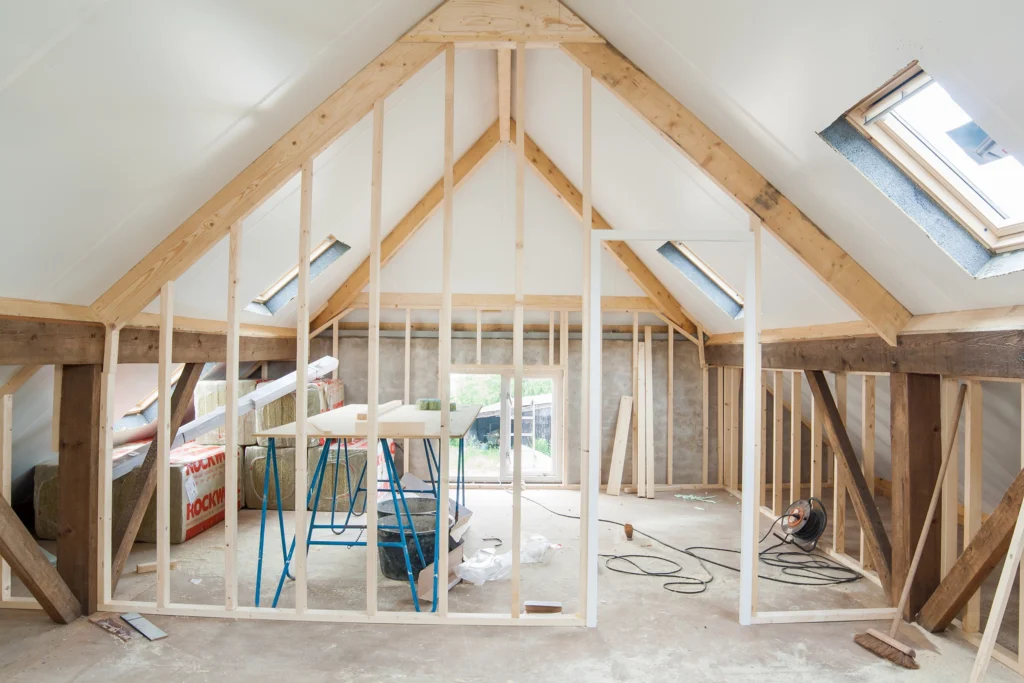
Your insurer may receive public information about certain permitted improvements, but you should not assume every change will automatically make its way into your policy. If you did not tell your agent, the replacement-cost estimate may still be based on the home as it existed years ago.
Even projects that do not add square footage can matter. Replacing builder-grade cabinets and laminate counters with custom cabinetry and stone surfaces changes what it would cost to recreate the kitchen after a covered loss.If a covered event destroys your home and rebuilding costs exceed your dwelling limit, you could be left with a substantial gap.
But a total loss is not the only concern.
Some homeowners policies include provisions requiring the home to be insured to a certain percentage of its replacement cost to receive full replacement-cost treatment on covered partial losses. How these provisions apply depends on the specific policy.
In plain English: carrying too little dwelling coverage can sometimes affect more than the worst-case scenario.
The exact claim outcome will depend on the cause of loss, the damage, your policy limits, endorsements, deductibles, exclusions, and loss-settlement terms. That is why it is important to review the actual policy rather than relying on general assumptions.Some homeowners policies offer extended replacement cost coverage.
This endorsement may provide additional dwelling coverage above the limit shown on the declarations page if rebuilding costs exceed that limit after a covered loss. For example, a policy may provide a stated percentage of additional protection.
That extra amount can provide an important cushion when labor or material costs rise unexpectedly.
However, extended replacement cost is not unlimited coverage. It may have conditions, and it does not mean the initial dwelling limit can be set artificially low. Insurers may require the home to be insured according to their replacement-cost estimate and may expect homeowners to report significant changes.
Availability and terms vary by insurance company and policy.Guaranteed replacement cost is broader than extended replacement cost and may cover the cost to rebuild after a covered loss even if that cost exceeds the dwelling limit, subject to policy terms and eligibility requirements.
Not every insurer offers it, and not every home qualifies.
Even when it is available, homeowners still need to provide accurate information about the property and report renovations or additions. “Guaranteed” does not mean every expense is covered under every circumstance.
Your agent can explain whether this option is available and how it differs from the coverage you currently carry.If your home is older, rebuilding it may require more than replacing what was there.
Local codes may require updated electrical systems, plumbing, structural components, energy-efficiency features, or other changes. Your standard dwelling coverage may not fully cover the additional cost of bringing undamaged or outdated portions of the home up to current code.
Ordinance or law coverage is designed to help address certain increased costs resulting from the enforcement of building codes after a covered loss.
This can be especially important for older homes, but newer homes are not automatically exempt. Codes continue to change, and rebuilding requirements can vary by municipality.Dwelling coverage is the starting point, but changes to the home can affect other parts of the policy too.
Depending on how the policy is structured, coverage for personal property, other structures, and additional living expenses may be connected to the dwelling limit or calculated separately.
A review should also consider:
Increasing your dwelling coverage does not expand the policy to cover every type of damage.
Homeowners insurance still contains exclusions, conditions, deductibles, and coverage limits. Flooding, earth movement, maintenance problems, wear and tear, and certain types of water damage may be excluded or require separate coverage.
The goal of a coverage review is not simply to make the dwelling limit higher. It is to make sure the information is accurate, the limits are reasonable, and you understand what the policy does and does not cover.Reviewing your policy once a year is a good habit, even if nothing significant appears to have changed.
You should also contact your agent when you:
Most people do not look closely at the dwelling limit on their homeowners policy until they are buying a house, renewing coverage, or dealing with a claim.
By then, the number can feel like something generated by an insurance company rather than a decision worth discussing.
Ask how the replacement-cost estimate was calculated. Confirm the square footage, construction details, renovations, and finishes. Find out whether your policy includes inflation adjustments, extended replacement cost, guaranteed replacement cost, or ordinance and law coverage.
As the Insurance Information Institute explains, the amount of insurance on the structure should be based on rebuilding cost—not the home’s real estate value.
A few straightforward questions now can help you understand whether your coverage still reflects the home you actually live in today.Your home has probably changed since the day you bought it—and rebuilding costs almost certainly have too.
Sablich Insurance Group can help you review the information behind your dwelling coverage, understand the options available, and identify areas that may deserve a closer look. No assumptions, no unnecessary jargon, and no pressure—just a clearer understanding of how your home is protected.Renovations, upgraded finishes, changing construction costs, and current building requirements can all affect what it would take to rebuild your home. We’ll review the details behind your coverage, explain your options, and help identify potential gaps before they become expensive surprises.
Sablich Insurance Group is licensed in Pennsylvania, New Jersey, Delaware, North Carolina, and South Carolina.Your Kid Is Going to College.Here’s What Your Insurance Needs...
Read MoreYou’re Probably Paying for Coverage You Don’t Need … and...
Read MoreThe Claims We’ll Never Forget:Two Real Stories That Show Why...
Read More