Fall Driving in Pennsylvania:4 Seasonal Hazards Every Driver Should Know...
Read More
Serving Pennsylvania, New Jersey, and Delaware

Cooler weather is here. Before you settle in for the season, make sure your home is ready for the months ahead.
There’s something about that first chilly morning of fall. The windows close, the thermostat goes up, and suddenly, spending a quiet evening at home sounds a whole lot better than being outside.
Throughout Bucks and Montgomery Counties, homeowners are making the transition from summer to fall. Heating systems are coming back on, fireplaces are getting their first use of the season, and space heaters are coming out of storage.
But before you get too comfortable, there are a few things worth checking.
Fall home maintenance isn’t just about comfort. It’s about preventing problems that could become expensive, dangerous, or both.
Here are five home safety checks to make before the colder weather settles in.
After sitting idle for much of the year, your heating system is about to become one of the hardest-working systems in your home.
Whether you have a furnace, boiler, or heat pump, a little preventive maintenance can help keep things running safely and efficiently.
Before turning up the thermostat:
If something doesn’t seem right, have a qualified technician inspect it rather than waiting for a complete breakdown.
A little attention now could help you avoid an uncomfortable—and potentially costly—surprise when temperatures drop.
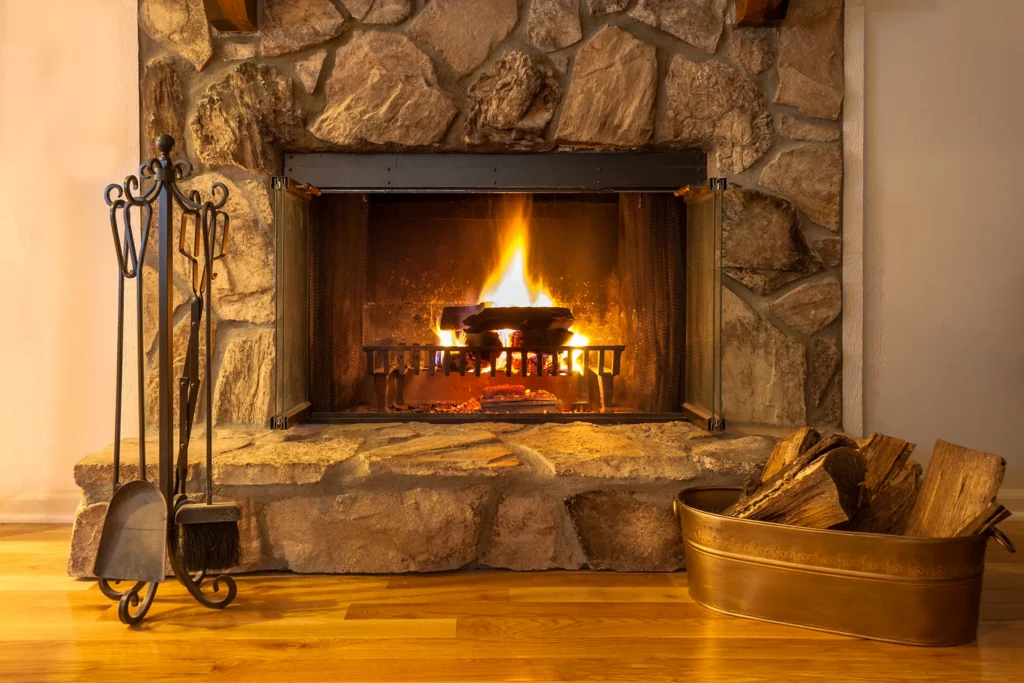
A crackling fireplace might be one of the best parts of a chilly fall evening. But a fireplace that hasn’t been properly maintained can create serious safety concerns.
Wood-burning fireplaces and chimneys can accumulate creosote, a combustible residue that increases the risk of chimney fires. Blockages, damaged liners, and other issues can also interfere with proper ventilation.
Before lighting that first fire:
Gas fireplaces deserve attention, too. Follow the manufacturer’s maintenance recommendations and have the system inspected as appropriate.
A fireplace should make your home feel warm and inviting—not introduce unnecessary risk.
It’s one of the simplest home safety tasks, but also one of the most important.
As heating systems, fireplaces, and other fuel-burning appliances see more use, properly functioning smoke and carbon monoxide detectors become especially important.
Carbon monoxide is particularly dangerous because it’s colorless and odorless. A malfunctioning fuel-burning appliance or ventilation problem can allow it to accumulate without obvious warning signs.
Take a few minutes to:
Pennsylvania homeowners should also be familiar with applicable smoke and carbon monoxide alarm requirements.
And remember, having detectors installed isn’t enough. They need to be functioning properly when they’re needed.
Sometimes one room is colder than the rest. Maybe it’s a home office, a finished basement, or an older bedroom that never seems to warm up.
Portable space heaters can provide supplemental warmth, but they also require extra care.
If you’re bringing one out this fall, keep these precautions in mind:
Avoid using ovens, outdoor grills, or other appliances not designed for indoor heating as a substitute for your home’s heating system.
The goal is to stay comfortable without creating a new hazard.
Preparing for colder weather isn’t limited to what’s happening indoors.
Fall brings falling leaves, heavier rain, changing temperatures, and eventually the possibility of freezing conditions.
A few exterior maintenance tasks can help protect your home before winter arrives.
Walk around your property and look for:
You don’t need to tackle every project yourself. Some inspections and repairs are best left to professionals.
The important thing is identifying small issues before changing weather conditions make them bigger ones.
Even with regular maintenance and careful preparation, unexpected damage can happen.
A heating-related fire, a fallen tree, or a sudden weather event can create significant property damage. That’s where understanding your homeowners insurance becomes important.
Most standard homeowners insurance policies provide coverage for certain sudden and accidental losses, including many types of fire damage, subject to the policy’s terms, conditions, deductibles, and exclusions.
But there’s an important distinction:
Homeowners insurance generally isn’t a substitute for routine maintenance.
For example, a policy may provide coverage for certain damage caused by a covered fire, but it typically won’t pay to replace an aging furnace simply because it stops working.
Likewise, damage resulting from gradual deterioration, neglect, or long-term maintenance issues may not be covered.
The circumstances surrounding a loss matter, and coverage can vary from one policy to another.
Fall is a good time to take another look at your homeowners insurance, especially if you’ve made improvements or haven’t reviewed your policy recently.
Consider asking:
You don’t have to figure everything out on your own. That’s what having a knowledgeable insurance agent is for.
The transition into fall happens quickly. One week you’re running the air conditioning, and the next you’re reaching for the thermostat.
Taking a little time to inspect, maintain, and prepare your home can help reduce avoidable risks and make the colder months more comfortable.
And while no amount of preparation can prevent every unexpected event, understanding your insurance coverage can help you feel more confident about how you’re protected.
Because when something goes wrong, the last thing you want is to discover that your coverage isn’t what you thought it was.
Your home deserves more than a one-size-fits-all insurance policy.
At Sablich Insurance Group, we help homeowners throughout Pennsylvania, New Jersey, and Delaware understand their coverage, explore available options, and make informed decisions about protecting their property.
Whether you’ve recently made improvements, haven’t reviewed your policy in a while, or are simply looking for a better insurance experience, we’re here to help.
Sablich Insurance Group is licensed in Pennsylvania, New Jersey, and Delaware.
Fall Driving in Pennsylvania:4 Seasonal Hazards Every Driver Should Know...
Read MoreIf Someone Were Injured at Your Home Today, Would Your...

Read MoreYour Business Isn’t Generic.Your Insurance Shouldn’t Be Either. No two...

Read More