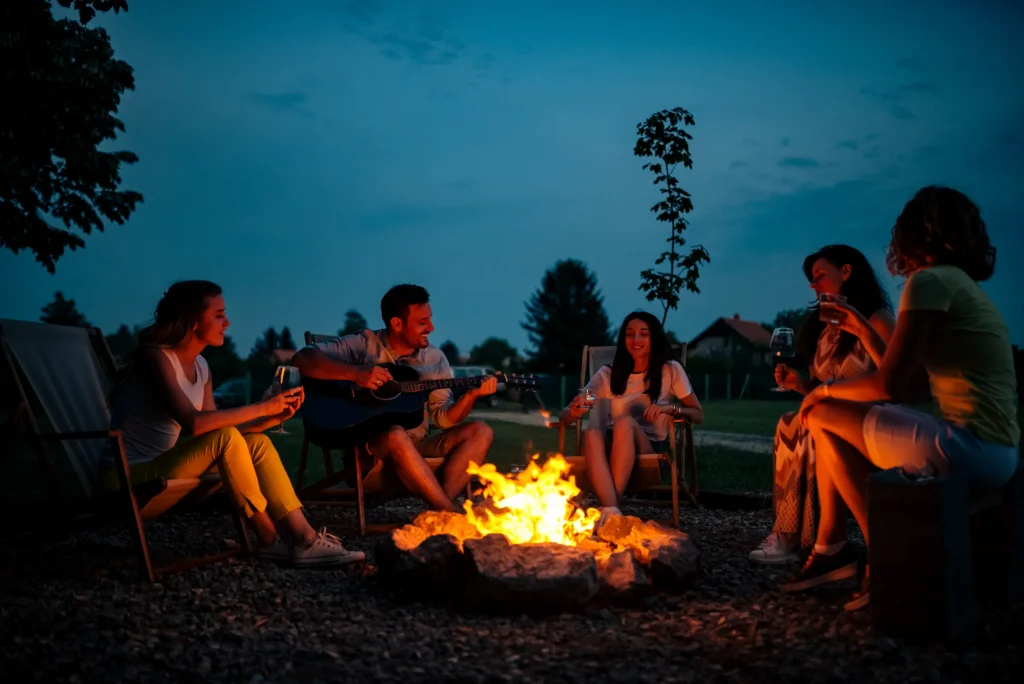
Young adults sitting around a backyard bonfire in a neighborhood, playing guitar and enjoying a safe outdoor gathering

Grilling, Fireworks, & Bonfire Safety: Protecting Your Home This Season

As the weather warms up, backyards across Pennsylvania come alive with cookouts, fire pits, and evenings spent outdoors with family and friends. While these seasonal traditions create lasting memories, they also increase the risk of fires, injuries, and costly property damage if proper precautions aren’t taken.

From grilling accidents to stray fireworks and unsafe bonfires, small oversights can quickly become major problems for homeowners. The good news? A few simple safety habits can go a long way toward protecting your home, your family, and your summer plans.

Grilling Safety Tips Every Homeowner Should Follow

Outdoor grilling is one of the leading causes of seasonal residential fires. Grease buildup, unattended flames, and improper grill placement are all common contributors to accidents.

To reduce your risk:

1. Keep Your Grill Away From Structures

Always position grills a safe distance from your home, deck railings, fences, overhangs, and landscaping. Heat and stray embers can ignite nearby materials faster than many homeowners realize.

2. Clean Your Grill Regularly

Grease buildup inside grills can fuel dangerous flare-ups. Before each use, clean grease traps and remove excess debris from burners and grates.

3. Never Leave a Grill Unattended

Even a small flare-up can escalate quickly if no one is watching. Stay nearby whenever the grill is in use and keep children and pets at a safe distance.

4. Inspect Gas Lines and Connections

If you use a propane grill, routinely inspect hoses and fittings for leaks or cracks. A simple soap-and-water test can help detect escaping gas before it becomes hazardous.

5. Keep Fire Safety Equipment Nearby

A fire extinguisher, baking soda, or garden hose should always be within reach when grilling outdoors.

Fireworks Safety Around Your Home

Fireworks are responsible for thousands of residential fires and injuries every year. Even smaller consumer fireworks can cause roof fires, burns, damaged siding, or dry grass fires if used improperly.

1. Check Local Laws Before Using Fireworks​

Fireworks regulations vary by municipality and state. Before purchasing or using fireworks, make sure they’re legal in your area.

2. Avoid Using Fireworks Near Homes or Trees

Open spaces are critical. Never light fireworks near structures, vehicles, dry landscaping, wooded areas, or power lines.

3. Keep Water Close By

Have a bucket of water or hose ready before lighting any fireworks. Used fireworks should be soaked thoroughly before disposal to prevent hidden embers from reigniting.

4. Supervise Children Carefully

Sparklers may seem harmless, but they can burn at temperatures exceeding 1,000 degrees. Children should always be supervised around fireworks of any kind.

5. Leave Large Displays to Professionals​

Public fireworks displays are significantly safer than at-home alternatives. Attending a professionally managed event helps reduce the risk of injury and property damage.

Bonfire and Fire Pit Safety Tips

Backyard bonfires and fire pits have become increasingly popular, but they require careful setup and ongoing attention.

1. Choose a Safe Location

Fire pits should be placed on stable, nonflammable surfaces and positioned well away from homes, sheds, fences, and low-hanging branches.

2. Never Burn During Windy Conditions

Wind can carry sparks long distances, increasing the risk of accidental fires spreading into nearby yards or wooded areas.

3. Burn Only Approved Materials​

Avoid burning trash, treated wood, cardboard, or accelerants like gasoline. Stick to dry, seasoned firewood designed for outdoor burning.

4. Fully Extinguish Fires Before Leaving

Even glowing embers can reignite hours later. Before going inside, thoroughly douse fires with water and stir ashes until everything is cool to the touch.

5. Keep Seating at a Safe Distance

Guests should remain several feet away from active fires, especially children and pets who may accidentally trip or get too close.

6. Why Seasonal Fire Prevention Matters

Many homeowners assume major fire incidents are rare, but seasonal outdoor activities consistently contribute to insurance claims involving:

  • House fires
  • Deck and siding damage
  • Burn injuries
  • Fence and landscaping damage
  • Smoke damage
  • Liability claims involving guests or neighbors
Taking preventive steps now can help avoid expensive repairs, medical bills, and unexpected insurance complications later.

Review Your Homeowners Insurance Coverage Before Summer Activities

While prevention is always the first priority, it’s also important to understand how your homeowners insurance policy may respond to fire-related damage or liability claims.

Coverage can vary depending on:

  • The cause of the fire
  • Property damage involved
  • Detached structures affected
  • Liability exposure from injuries
  • Local ordinance requirements
  • Personal property losses
A seasonal insurance review can help ensure your coverage still matches your property, lifestyle, and potential risks.

Raise Your Expectations

Outdoor gatherings should be enjoyable — not stressful. By practicing smart grilling, fireworks, and bonfire safety habits, homeowners can better protect their property and the people who matter most.

If you have questions about your homeowners insurance coverage or want to review your current policy before the season gets busy, contact Sablich Insurance Group today. We’re here to help you protect what matters most.

Sablich Insurance Group is licensed in Pennsylvania, New Jersey, and Delaware.
©2025 Sablich Insurance Group
Designed & Developed by Locker Creative
Scroll to Top
Skip to content